Food businesses operate in a world where temperature control determines everything from safety and freshness to customer satisfaction and profitability. Whether you’re running a neighborhood grocery store or a fast-paced restaurant, properly managing the temperature of perishable goods is essential. This process, known as cold chain management for restaurants, ensures food stays safe from the moment it arrives to the moment it’s served.
But cold chain management is more than just placing products in a cooler or freezer. It involves scientific principles, consistent monitoring, dependable equipment, and well-designed operational systems. When even one link in the cold chain breaks, food spoilage can occur quickly leading to product loss, safety violations, and shrinking profit margins. Many cold chain failures trace back to mechanical or operational issues that also contribute to HVAC and refrigeration breakdowns in commercial buildings.
By understanding how cold chain systems work, how cold storage temperature control impacts food quality, and how maintenance supports reliable cooling, restaurants and grocery stores can reduce waste and protect their bottom line. Strong cold chain management requires dependable
commercial refrigeration
equipment, accurate food safety temperature monitoring, and regular attention to commercial walk-in cooler maintenance.
What Is Cold Chain Management?
Cold chain management refers to the practices and technologies that maintain safe temperatures for perishable foods during:
- Storage
- Transport
- Receiving
- Prep and holding
- Display and service
For restaurants and grocery stores, this means ensuring food remains outside the temperature “danger zone” from the supplier to the moment of sale.
The cold chain typically includes:
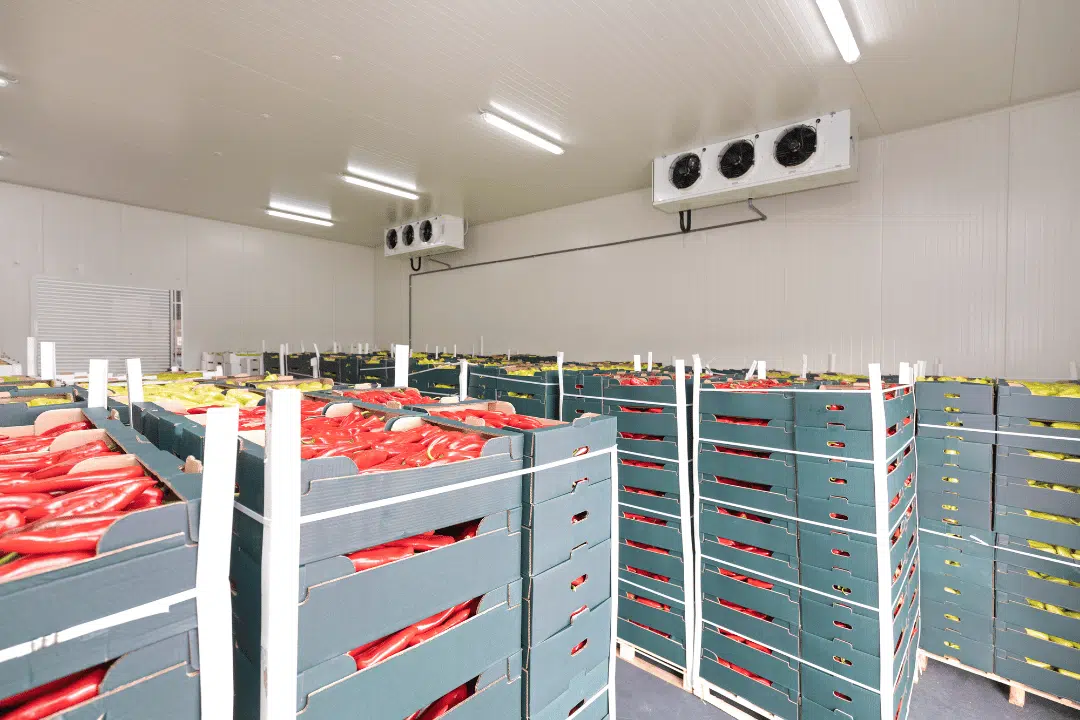
- Walk-in coolers and freezers
- Prep coolers
- Display cases
- Back-of-house refrigeration
- Delivery vehicles
- Storage protocols
- Temperature verification tools
When all of these elements work in harmony, cold chain management for restaurants helps prevent spoilage, maintain food integrity, and reduce financial loss.
Why Cold Chain Breakdowns Cost Businesses Money
When cold chain protocols fail, the impact goes beyond spoiled ingredients. Restaurants and grocery stores lose money through:
- Food waste
- Failed health inspections
- Decreased customer trust
- Higher energy bills
- Emergency service calls
- Increased equipment wear
Because perishable foods are highly sensitive to temperature, even short fluctuations can harm product quality. That’s why investing in cold storage temperature control and consistent monitoring is crucial.
The Science of Temperature Control in Food Preservation
The Danger Zone Explained
The FDA identifies 41°F–135°F as the “danger zone,” where bacteria grow rapidly. Once food reaches these temperatures, bacterial load increases, leading to:
- Spoilage
- Unsafe food
- Odor issues
- Texture and quality loss
Effective cold chain management for restaurants focuses on maintaining temperatures below 41°F at all times.
Heat Transfer and Cooling Science
Refrigeration relies on physics: heat naturally moves toward cold areas. Even small disturbances like leaving a walk-in door open create temperature spikes.
Factors that affect cooling:
- Ambient kitchen heat
- Frequent door openings
- Overfilled shelves blocking airflow
- Dirty coils
- Failing evaporator fans
Good practices and regular commercial walk-in cooler maintenance minimize these risks.
Airflow and Circulation
Proper circulation ensures consistent temperatures throughout storage units. Weak airflow can create warm pockets or frozen zones, causing uneven product quality.
Common airflow disruptors:
- Blocking vents with boxes
- Overpacked shelves
- Ice buildup
- Worn-out fans
Key Components of Strong Cold Chain Management
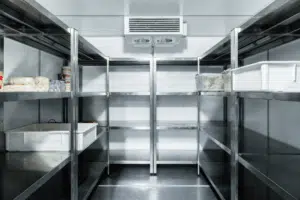
1. Reliable Commercial Refrigeration Equipment
Equipment is the foundation of the cold chain. Restaurants and grocery stores rely on:
- Walk-in coolers
- Reach-in refrigerators
- Freezers
- Prep-line refrigeration
- Display cases
Each unit serves a specific purpose in maintaining safe temperatures.
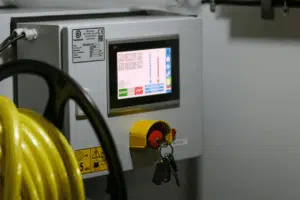
2. Temperature Monitoring and Logging
Food operators must track temperatures consistently using:
- Smart sensors
- Thermometer probes
- Wireless monitoring systems
- Automated temperature logs
These same data points are frequently reviewed during a commercial refrigeration energy-efficiency audit to identify cooling losses that increase spoilage risk. Modern food safety temperature monitoring tools allow teams to catch problems early, long before food quality is compromised.
3. Preventive Maintenance for Cold Storage Systems
Maintaining refrigeration equipment is crucial. Regular service ensures reliable cooling and reduces the risk of breakdowns.
Common commercial walk-in cooler maintenance tasks include:
- Cleaning condenser coils
- Checking refrigerant levels
- Testing door seals
- Removing frost buildup
- Calibrating thermostats
- Inspecting electrical components
Advanced facilities now strengthen these maintenance efforts through predictive maintenance systems that detect performance drift before food safety is affected. Proactive maintenance prevents downtime, food waste, and premature equipment failure.
4. HVAC Support for Temperature Stability
Refrigeration doesn’t work alone. Kitchen and retail spaces rely on
commercial HVAC service
to maintain stable indoor temperatures. When HVAC systems fail, refrigeration units must work harder, raising energy costs and reducing efficiency.
Consistent HVAC performance supports:
- Humidity control
- Temperature balance
- Airflow optimization
Together, HVAC and refrigeration systems form a unified temperature ecosystem.
Why Restaurants and Grocery Stores Lose Product
Cold chain breakdowns often occur due to preventable issues, such as:
Door Openings
High traffic, restocking, and customer interaction all cause cold air loss.
Inconsistent Temperature Checks
Gaps in monitoring leave problems unnoticed for hours.
Poor Organization
Overstuffed shelves restrict airflow and slow recovery times.
Faulty Equipment
Worn seals, bad sensors, and aging components can lead to unsafe temperatures.
Lack of Maintenance
Skipping preventive service often leads to costly equipment repairs or food spoilage.
Unexpected Failures
Compressor failures or power outages may require immediate attention and, at times, emergency refrigeration repair.
Cold Chain Differences Between Restaurants & Grocery Stores
Restaurants
Restaurants rely on:
- Fast temperature recovery
- Prep coolers that open frequently
- Accurate line equipment
- Effective HVAC in hot kitchens
They must maintain strict cold storage temperature control during prep rushes.
Grocery Stores
Grocery stores manage:
- Large walk-in storage areas
- Open-air coolers and freezers
- High customer interaction
- Large product inventories
These environments require consistent food safety temperature monitoring and reliable commercial refrigeration equipment.
How to Strengthen Cold Chain Protocols
Here are actionable steps any restaurant or grocery store can take:
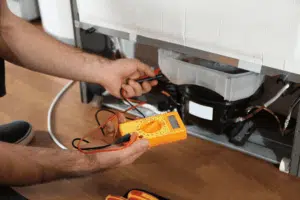
1. Automate Temperature Monitoring
Wireless systems offer real-time alerts.
2. Train Staff Regularly
Everyone must understand how temperature affects food safety.
3. Maintain Equipment Frequently
Schedule commercial walk-in cooler maintenance to prevent failures.
4. Improve Storage Practices
Avoid overloading shelves and blocking vents.
5. Align HVAC and Refrigeration Strategy
Stable indoor temperatures support better food storage.
6. Prepare for Emergencies
Have a plan for immediate response, including access to emergency refrigeration repair.
Strengthen Your Cold Chain with Professional Support
Reliable cold chain management starts with dependable equipment and expert guidance.
Elite Refrigeration Services Inc
provides trusted commercial refrigeration equipment support, accurate food safety temperature monitoring, expert commercial walk-in cooler maintenance, and fast emergency refrigeration repair to help restaurants and grocery stores protect their products and profitability.
Contact us today to optimize your cold chain and safeguard your inventory.