System failures in commercial buildings rarely happen without warning. In most cases, breakdowns develop gradually as mechanical, electrical, or operational issues compound over time. When early warning signs are ignored, systems fail under load, often during peak demand periods when recovery costs and operational impact are highest.
Commercial HVAC and refrigeration equipment operates continuously and under significantly higher stress than residential systems. Load variation, environmental exposure, operating schedules, and regulatory requirements reduce tolerance for inefficiency. Understanding the root causes behind hvac and refrigeration breakdowns allows facilities to reduce downtime, extend equipment lifespan, and avoid emergency response that disrupts operations. Modern facilities increasingly rely on predictive maintenance technologies to identify these risks before failures occur.
This article explains the most common causes of system breakdowns in commercial buildings and why early identification is critical for maintaining operational stability and predictable system performance.
At a Glance: Common Causes of Commercial HVAC and Refrigeration Breakdowns
- Mechanical wear from continuous operation
- Electrical instability and power delivery issues
- Deferred or inconsistent maintenance
- Improper system sizing or load mismatch
- Refrigerant leaks or charge imbalance
- Airflow restrictions limiting heat transfer
- Control system or sensor malfunctions
- Environmental exposure and installation deficiencies
- Operational misuse or system overload
Mechanical Wear and Component Degradation
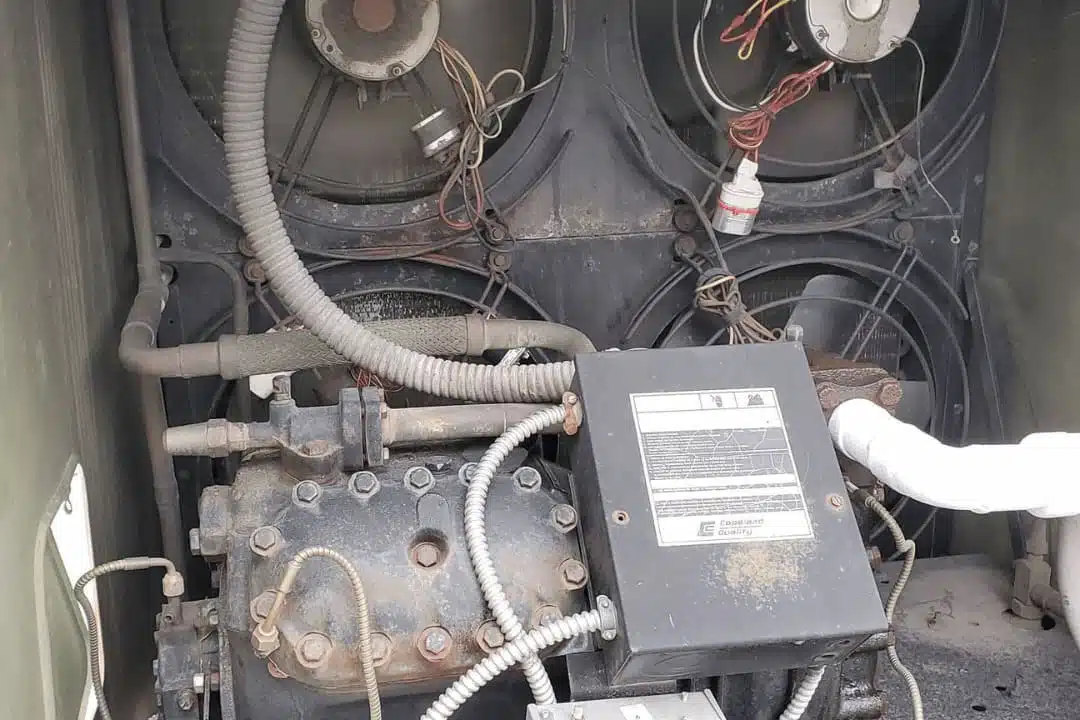
Mechanical wear is one of the most common contributors to system failure in commercial environments. Motors, compressors, bearings, belts, and fan assemblies operate under constant load, often for extended daily cycles that accelerate wear compared to residential systems.
As tolerances loosen and lubrication degrades, efficiency declines and internal heat increases. Vibration levels rise, placing stress on mounting hardware, electrical connections, and adjacent components. Over time, this degradation leads to uneven operation and eventual failure. A commercial hvac failure caused by mechanical wear is often preceded by audible noise changes, vibration, or reduced airflow.
Without intervention, worn components force connected systems to compensate, increasing electrical demand, shortening service life, and expanding the scope of repairs.
Electrical Instability and Power-Related Issues
Electrical issues are a frequent cause of unexpected system shutdowns in commercial buildings. Loose connections, failing contactors, damaged wiring, and inconsistent voltage supply interfere with system controls and built-in safety mechanisms.
Electrical instability often presents as intermittent performance issues, making diagnosis difficult without proper testing. Symptoms such as short cycling, unexpected shutdowns, and control board faults indicate unstable power delivery. An hvac equipment breakdown linked to electrical problems can escalate quickly when protective systems shut equipment down to prevent further damage.
Facilities with aging electrical infrastructure or fluctuating power quality face elevated risk if electrical components are not routinely inspected.
Deferred Maintenance and Service Gaps
Deferred maintenance remains one of the most preventable causes of hvac and refrigeration breakdowns. When routine inspections, cleaning, and adjustments are delayed, systems operate outside optimal conditions for extended periods.
Dirty coils reduce heat transfer efficiency, clogged filters restrict airflow, and worn parts operate beyond design limits. These conditions force systems to run longer and harder to maintain required output, accelerating component fatigue and increasing energy consumption.
Facilities that rely on reactive repairs instead of scheduled service experience higher failure rates, reduced efficiency, and shorter overall system lifespan. Many of these inefficiencies also surface during a commercial refrigeration energy-efficiency audit, long before systems fail.
Improper System Sizing and Load Mismatch
Incorrect system sizing is a common but often overlooked issue in commercial buildings. Equipment that is undersized runs continuously under excessive load, while oversized systems short cycle and experience uneven wear across components.
Load mismatch frequently occurs after renovations, expansions, or changes in building usage. A commercial hvac failure caused by load imbalance often results in temperature instability, increased operating costs, and premature component failure.
Proper system evaluation during upgrades and equipment replacement is essential for maintaining long-term reliability.
Refrigerant Leaks and Charge Imbalance
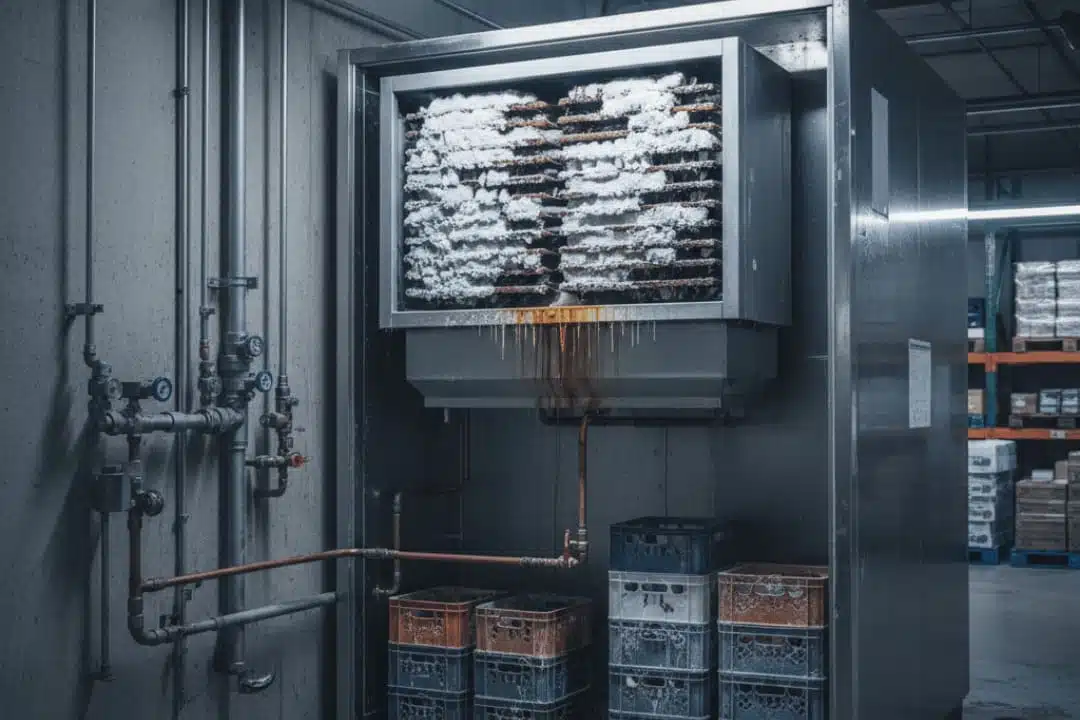
Refrigerant integrity is essential for system performance and stability. Leaks reduce cooling capacity and disrupt pressure balance, forcing compressors to operate under increased strain.
Low refrigerant levels extend run cycles, raise operating temperatures, and increase wear on internal components. In refrigeration applications, a refrigeration system failure caused by charge imbalance often results in temperature drift that compromises stored inventory and regulatory compliance. In food-service environments, temperature drift caused by these failures can disrupt cold chain management and lead to inventory loss.
Refrigerant issues are common in aging systems and installations exposed to vibration or poor piping support.
Airflow Restrictions and Heat Transfer Limitations
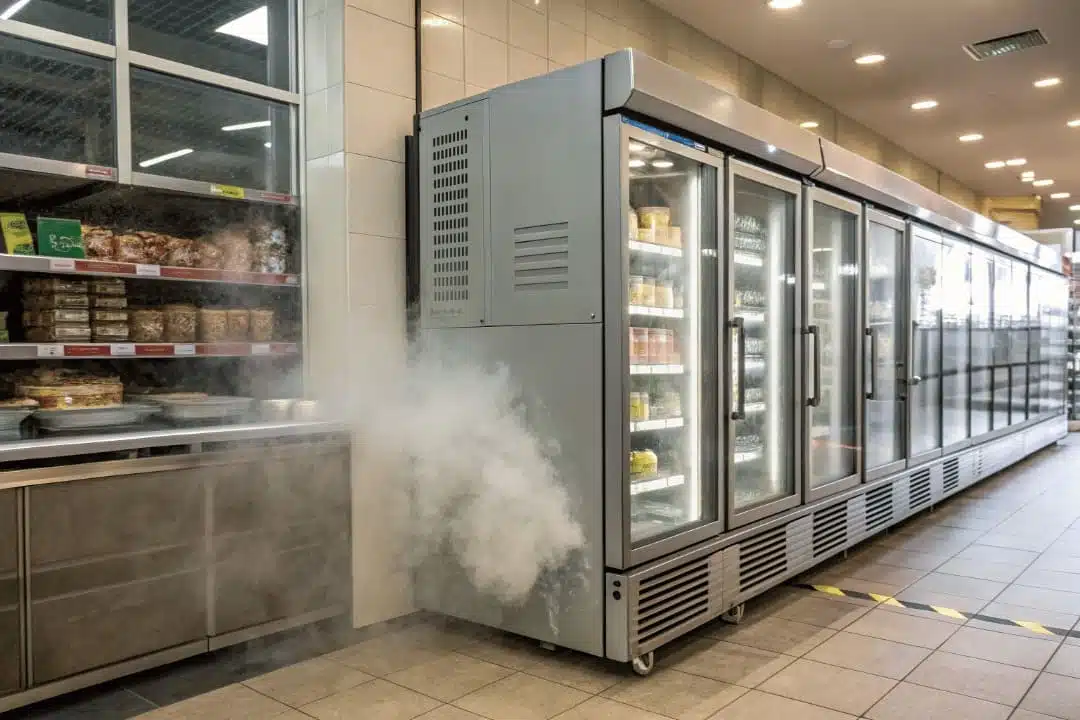
Restricted airflow is a major contributor to hvac equipment breakdown in commercial buildings. Blocked vents, dirty coils, failing fans, and poor duct design limit heat exchange and reduce system efficiency.
In HVAC systems, airflow restriction leads to uneven temperature control, humidity imbalance, and elevated operating pressure. In refrigeration systems, insufficient airflow prevents proper heat rejection, increasing compressor load and internal temperatures.
Persistent airflow limitations often lead to secondary failures that extend beyond the original restriction point.
Control System and Sensor Malfunctions
Modern commercial systems rely heavily on sensors, controllers, and automation. When these components fail or drift out of calibration, systems operate inefficiently or shut down unexpectedly.
Faulty sensors may report inaccurate temperature or pressure data, causing unnecessary shutdowns or unsafe operation. Control-related faults are a common source of commercial refrigeration issues because they are frequently misdiagnosed as mechanical failures.
Accurate diagnostics are essential for resolving control system problems without extended downtime.
Environmental Exposure and Installation Deficiencies
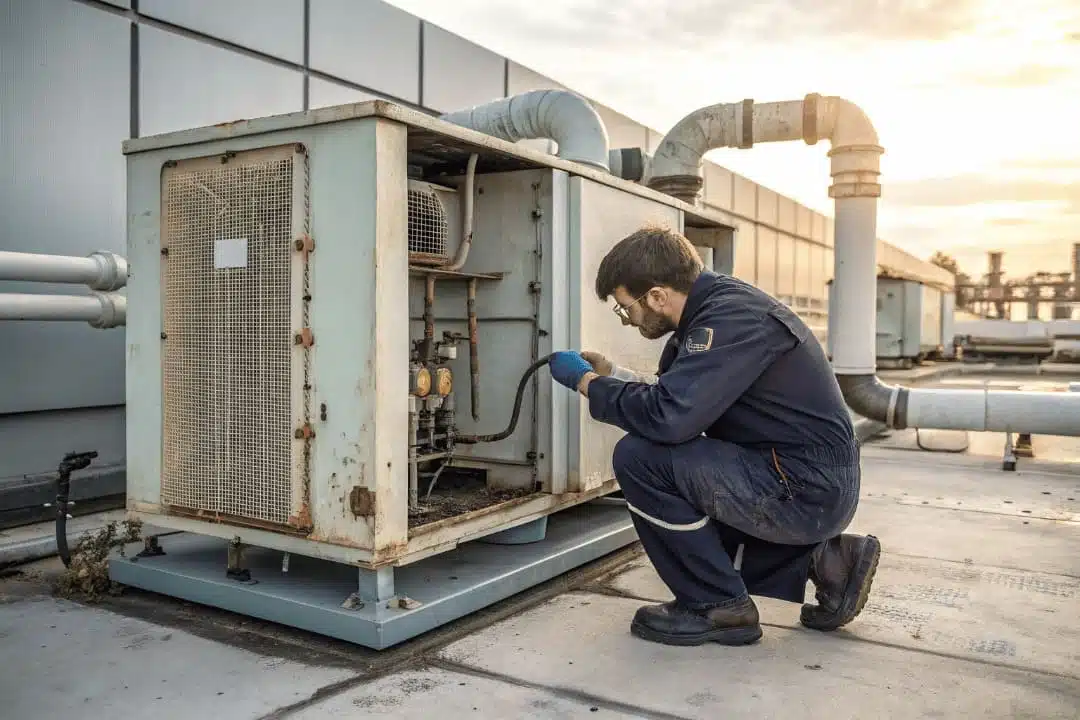
Environmental exposure significantly affects system reliability. Outdoor units exposed to debris, moisture, extreme temperatures, or corrosive conditions experience accelerated component degradation.
Improper installation further increases failure risk. Inadequate clearances, poor drainage, or insufficient ventilation restrict airflow and reduce service accessibility. Commercial refrigeration issues caused by environmental exposure often worsen gradually if site conditions are not corrected.
Proper installation and site planning reduce long-term operational stress.
Operational Misuse and System Overload
Operational behavior plays a direct role in system health. Frequent door openings, overloading refrigeration units, and unauthorized control adjustments disrupt designed operating conditions.
In refrigeration systems, improper loading patterns restrict airflow and prevent uniform temperature distribution. These behaviors commonly lead to refrigeration system failure even when equipment is mechanically sound.
Clear operational guidelines and staff training reduce avoidable system strain.
How Minor Issues Escalate into Full Breakdowns
Most hvac and refrigeration breakdowns begin as serviceable issues. Noise changes, rising energy use, temperature inconsistency, and recurring alarms signal declining system health.
When facilities delay response, minor problems compound and trigger cascading failures across electrical, mechanical, and control components. Early intervention limits damage scope and prevents extended downtime.
Why Preventive Maintenance Reduces Failure Risk
Preventive maintenance addresses the root causes of system failure before escalation occurs. Routine inspections identify wear, electrical instability, airflow limitations, and refrigerant imbalance early.
Facilities with structured maintenance programs experience fewer breakdowns, lower operating costs, and improved system efficiency. Preventive service remains the most effective strategy for reducing hvac and refrigeration breakdowns in commercial buildings.
Call Elite Refrigeration Services Inc. for Commercial HVAC and Refrigeration Support
Elite Refrigeration Services Inc. provides professional commercial HVAC and refrigeration services in Yonkers, New York, designed to reduce breakdown risk and restore system reliability. Their team specializes in identifying root causes, correcting inefficiencies, and supporting facilities that require dependable temperature control.
Contact us today to schedule professional service and protect your building from unexpected system failures.