When your HVAC system suddenly stops working in the middle of summer or during a freezing winter night, panic sets in quickly. Knowing what to do during an HVAC emergency can make a huge difference between a temporary setback and a full-blown disaster. Whether it’s your home, restaurant, or commercial space, taking quick, informed action can help prevent equipment damage, ensure safety, and minimize costly downtime.
In the first few minutes, the right moves matter most: shutting down the system safely, checking power sources, and contacting professional technicians like those at Elite Refrigeration Services Inc. can save you hours of discomfort and hundreds in repair costs. This guide walks through each step of handling an HVAC emergency — from immediate responses to preventive strategies — so you can stay prepared, confident, and protected.
Why HVAC Emergencies Happen
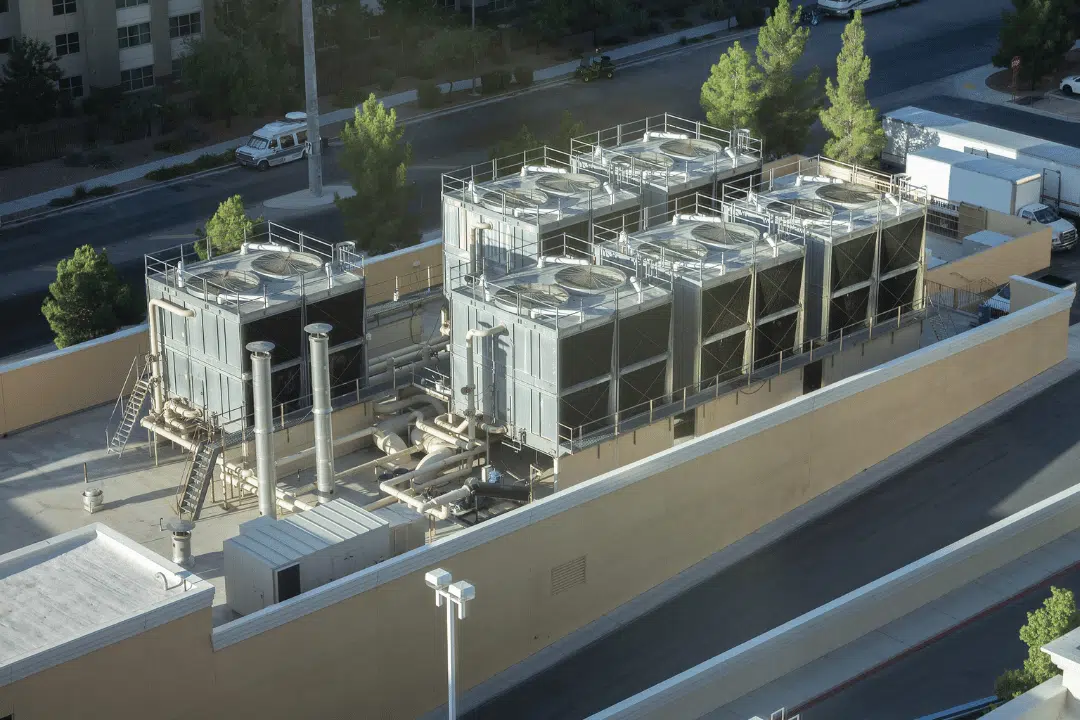
HVAC systems are intricate networks of electrical, mechanical, and refrigerant components that all work in sync. When one piece fails, it can bring everything to a halt. Common causes of HVAC emergencies include:
- Electrical faults such as short circuits or blown fuses
- Refrigerant leaks and pressure loss
- Clogged air filters or blocked airflow
- Broken compressors, fans, or motors
- Faulty thermostats or control systems
- Condensate line clogs or leaks
- Storm or debris damage to outdoor units
Recognizing these issues early can help prevent emergencies altogether, but when they do happen, it’s crucial to know what to do during an HVAC emergency immediately.
First Steps: Safety First
Turn Off the System Immediately
If you notice strange noises, a burning smell, or smoke, shut off the HVAC system at the breaker or disconnect switch. This protects against electrical fires and prevents further mechanical stress.
Check the Breaker Panel
Sometimes, what feels like an emergency is simply a tripped breaker or blown fuse. Inspect your electrical panel, reset tripped breakers once, and if they trip again stop. That’s a sign of a serious fault that needs a technician.
Inspect Air Filters and Vents
Clogged filters cause overheating and airflow restrictions. Check filters and clean or replace them as necessary. Clear obstructions from vents and registers to restore proper circulation.
Examine the Outdoor Unit
Outdoor condensers can accumulate debris, leaves, or even animal nests. Turn off power before clearing any obstructions. Good airflow is essential for cooling efficiency and compressor health.
Manage Indoor Comfort Temporarily
While waiting for professional help, close blinds, use fans, or rely on portable heaters to maintain comfort. Always ensure heaters are used safely and never left unattended.
Communicate with Occupants
If the HVAC outage affects a business or shared space, notify everyone. Proper communication helps manage expectations and ensures safety, especially for sensitive equipment or perishable goods.
Diagnosing the Issue
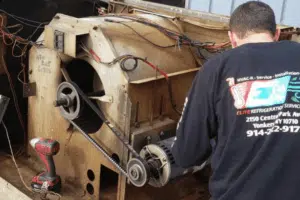
Once the immediate safety steps are taken, some light diagnostics can provide insight into what went wrong. This isn’t about fixing — it’s about gathering clues for the professionals from Elite Refrigeration Services Inc.
Check Thermostat Settings
Ensure the thermostat is set correctly and has power. Dead batteries or incorrect modes (cool/heat/fan) often mimic equipment failure.
Observe for Odors or Smoke
Electrical or burning smells often indicate wiring issues, overheating motors, or insulation failure. Note these observations for your technician.
Look for Ice or Frost Buildup
Frozen coils suggest refrigerant or airflow issues. Turning the system off to allow it to thaw while frozen can cause compressor damage.
Listen for Unusual Sounds
Clicking, buzzing, or grinding noises may point to failing capacitors, loose components, or motor issues. These are early warnings to report during your service call.
Check the Drain Line
Water pooling or dripping near the air handler means a clogged condensate line. Avoid restarting until cleared by a technician.
When to Call a Professional Right Away
- Burning smells or visible smoke
- Tripped breakers that won’t reset
- Refrigerant leaks or hissing sounds
- No airflow even when the blower runs
- Rapidly fluctuating temperatures
- Water leaks or flooding around the system
- Total system shutdown with no power response
At this point, calling professionals like Elite Refrigeration Services Inc. is the safest move. Their licensed technicians specialize in emergency HVAC repair, available 24/7 for both residential and commercial clients.
What to Expect During an Emergency HVAC Service
System Safety and Lockout
Technicians begin by disconnecting power and securing the area to ensure safe inspection.
Comprehensive Diagnostics
They use advanced tools, gauges, multimeters, and thermal sensors to identify electrical faults, refrigerant leaks, or component failures.
Quick Repairs or Temporary Fixes
If possible, they’ll perform same day repairs. Otherwise, they may install temporary bypasses or order parts while stabilizing the system.
Parts Replacement and Testing
Motors, capacitors, or contactors may be replaced, followed by system recharging, cleaning, and performance testing.
Final Report and Preventive Recommendations
Before leaving, they’ll provide a detailed service report and recommend future maintenance steps. Elite Refrigeration Services Inc. ensures clients receive documented findings, photos, and advice to avoid repeat emergencies.
After the Emergency: Prevention and Planning
Review the Cause
Ask your technician for a clear explanation of the problem and how it can be avoided next time. Understanding root causes is essential for prevention.
Adjust Maintenance Frequency
If the system failed due to neglect or poor airflow, increase maintenance visits. Consider quarterly or biannual inspections for heavy use environments.
Upgrade Aging Equipment
Older units break down more frequently. Investing in high-efficiency models may cost more upfront but saves energy and repair costs long term.
Schedule Preventive Maintenance
Enroll in a preventive maintenance plan with Elite Refrigeration Services Inc., ensuring regular system inspections, coil cleaning, and refrigerant checks. This simple step significantly reduces the risk of unexpected emergencies.
Train Staff or Family Members
Ensure everyone knows where breakers are located, how to shut off power safely, and what emergency numbers to call.
Keep an Emergency HVAC Kit
Store spare air filters, batteries, and your HVAC company’s contact details in an accessible place. A few minutes of preparation can save hours of downtime.
Quick Reference: Emergency HVAC Action Checklist
| Stage | Step | Purpose |
|---|---|---|
| Immediate | Turn off system | Prevent hazards and damage |
| Immediate | Check breakers | Identify electrical issues |
| Immediate | Inspect filters | Restore airflow |
| Immediate | Clear condenser | Improve cooling efficiency |
| Diagnostic | Check thermostat | Eliminate control issues |
| Diagnostic | Observe for ice/leaks | Detect refrigerant problems |
| Emergency | Call technician | Ensure expert response |
| Recovery | Review cause | Prevent recurrence |
| Recovery | Schedule maintenance | Strengthen system reliability |
Real World Scenario: When Preparation Pays Off
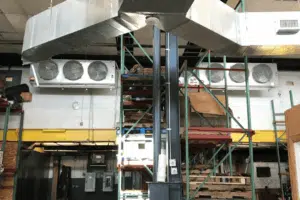
A local restaurant’s air conditioning system failed during a busy Friday night. Temperatures inside climbed quickly, customers began to complain, and kitchen staff struggled. The manager followed their emergency checklist:
- Turned off the main HVAC breaker to prevent overload.
- Checked filters and vents — discovered the condenser coils were blocked by grease buildup.
- Called Elite Refrigeration Services Inc. for an emergency visit.
Within an hour, a technician arrived, cleared the condenser, and recharged the system. Operations resumed within two hours. Because the restaurant had a preventive maintenance contract with Elite Refrigeration, they received priority emergency service and a post-visit performance inspection preventing the same issue from recurring.
This case shows the power of preparation, quick thinking, and having a trusted HVAC partner.
Be Ready for the Unexpected with Elite Refrigeration Services Inc.
Emergencies are unpredictable but your response doesn’t have to be. When the unexpected strikes, knowing what to do during an HVAC emergency is only half the battle; having a professional you can trust completes the plan.
Elite Refrigeration Services Inc. provides 24/7 emergency HVAC repair, preventive maintenance programs, and system upgrades for residential, commercial, and industrial clients. Their certified technicians bring fast response, transparent pricing, and long-term reliability to every job.
Call us today to schedule a preventive maintenance plan or request immediate HVAC emergency assistance. Don’t wait for breakdowns — stay protected with expert care you can rely on.