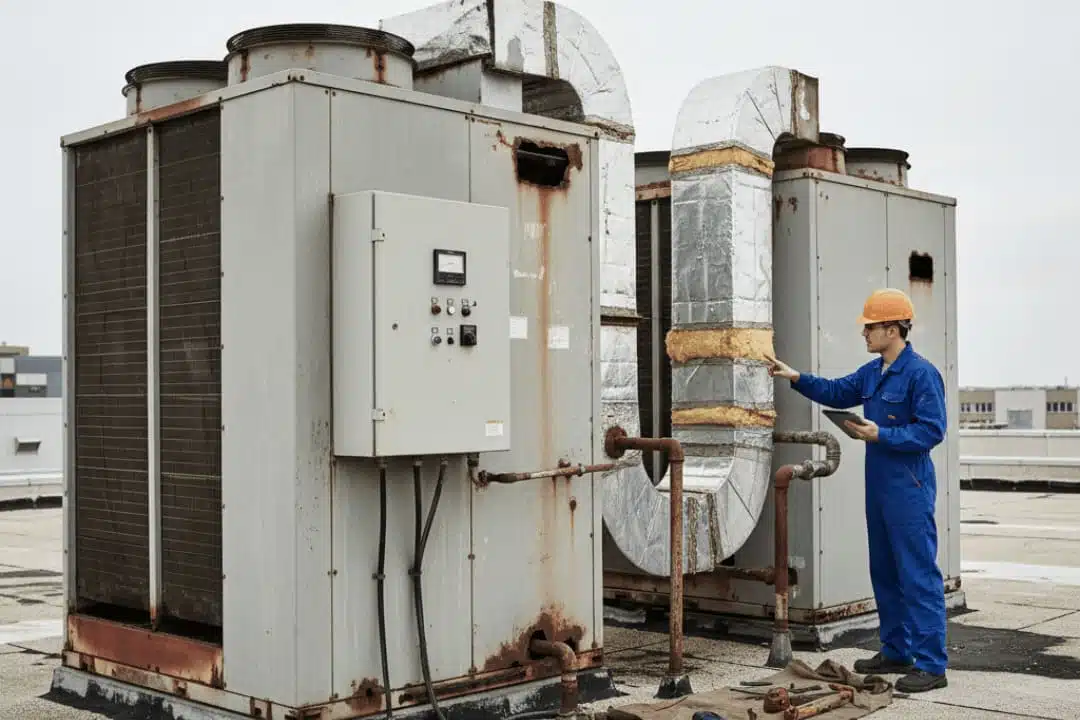
Aging mechanical systems rarely fail without warning. In many commercial facilities, early signs appear gradually at uneven temperatures, longer run times, higher energy usage, or frequent manual adjustments becoming part of daily operations. Over time, these patterns raise a critical operational question: when does continued repair stop being practical, and when does replacement become the more responsible choice?
The repair vs replacement decision is rarely binary. It sits at the intersection of system age, operational risk, cost exposure, compliance requirements, and future facility needs. For facilities that rely on HVAC and refrigeration systems to protect productivity, safety, and inventory, this decision directly affects long-term stability.
Understanding the Lifecycle of Commercial HVAC and Refrigeration Systems
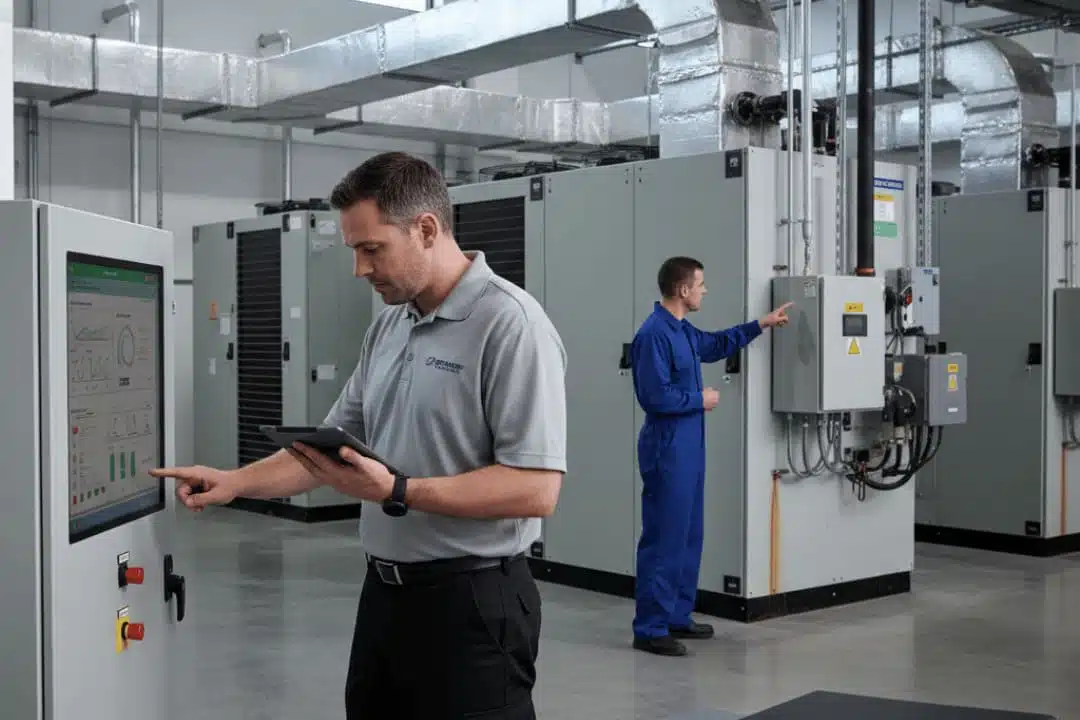
All mechanical systems follow a predictable lifecycle. In commercial environments where equipment often runs longer hours and under higher load this lifecycle compresses faster than in residential settings.
| Lifecycle Stage | Typical Characteristics | Decision Implications |
|---|---|---|
| Early Life (0–7 years) | Stable performance, predictable maintenance | Repair-focused strategy is usually appropriate |
| Mid-Life (8–15 years) | Efficiency decline, increasing service frequency | Repair vs replacement evaluation begins |
| Late Life (15+ years) | Unpredictable performance, higher downtime risk | Replacement planning becomes critical |
As systems age, HVAC repair may still resolve individual failures, but outcomes become less predictable. Repairs increasingly address symptoms rather than reversing overall performance decline.
Performance Trends That Signal a Decision Point
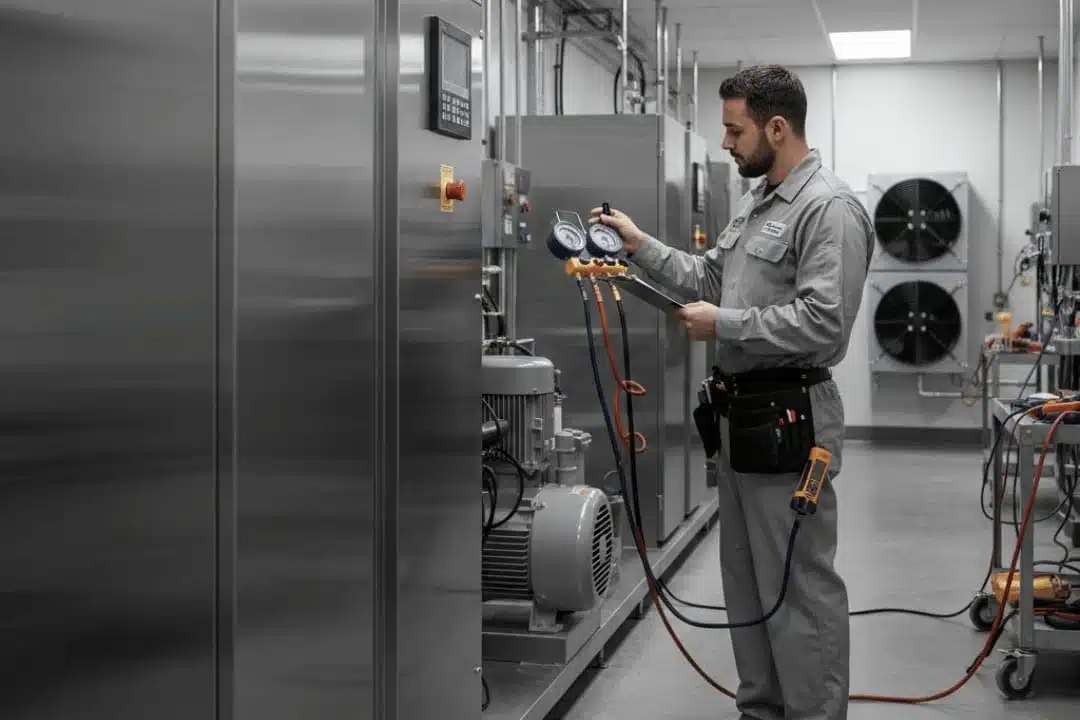
Single breakdowns rarely justify replacement. Patterns do. Facilities should evaluate trends rather than isolated incidents.
Common indicators include:
- Increasing frequency of service calls within a 12–24 month period
- Longer recovery times after shutdowns or repairs
- Rising energy consumption without corresponding operational growth
- Temperature instability in refrigeration or cold storage environments
For refrigeration systems, even small deviations can have outsized consequences. As temperature variance increases, the margin for corrective action narrows rapidly, shifting risk from inconvenience to potential loss.
Cost Is More Than the Repair Invoice
Focusing only on immediate repair cost is one of the most common decision-making errors.
Hidden cost factors often include:
- Reduced operational throughput
- Increased labor hours for monitoring or workarounds
- Energy inefficiency compounding over time
- Emergency service premiums
- Inventory exposure during instability
While HVAC replacement requires higher upfront investment, it often stabilizes long-term expenses by reducing surprise failures and improving energy performance. Evaluating total cost requires looking at operational impact over time, not just invoices.
A Practical Repair vs Replacement Decision Framework
Facilities often benefit from applying a structured evaluation rather than relying on urgency alone.
Key decision questions include:
- Is system performance declining despite repeated repairs?
- Are recovery times after service increasing?
- Does the system still meet current efficiency and compliance expectations?
- How much operational risk can the facility realistically absorb?
- Will future facility growth increase system demand?
When multiple answers point toward instability, replacement planning typically becomes the lower-risk path even if repair remains technically possible.
Energy Efficiency as a Decision Lens
Energy performance rarely declines suddenly. Instead, systems gradually consume more power to deliver the same output.
Facilities maintaining aging systems through repeated HVAC repair often observe:
- Steadily rising utility costs
- Reduced capacity during peak demand
- Increased strain on electrical infrastructure
Modern HVAC and refrigeration systems reflect updated efficiency standards. Over time, improved performance can offset a portion of replacement investment, particularly in high-use commercial facilities.
Compliance and Refrigerant Considerations
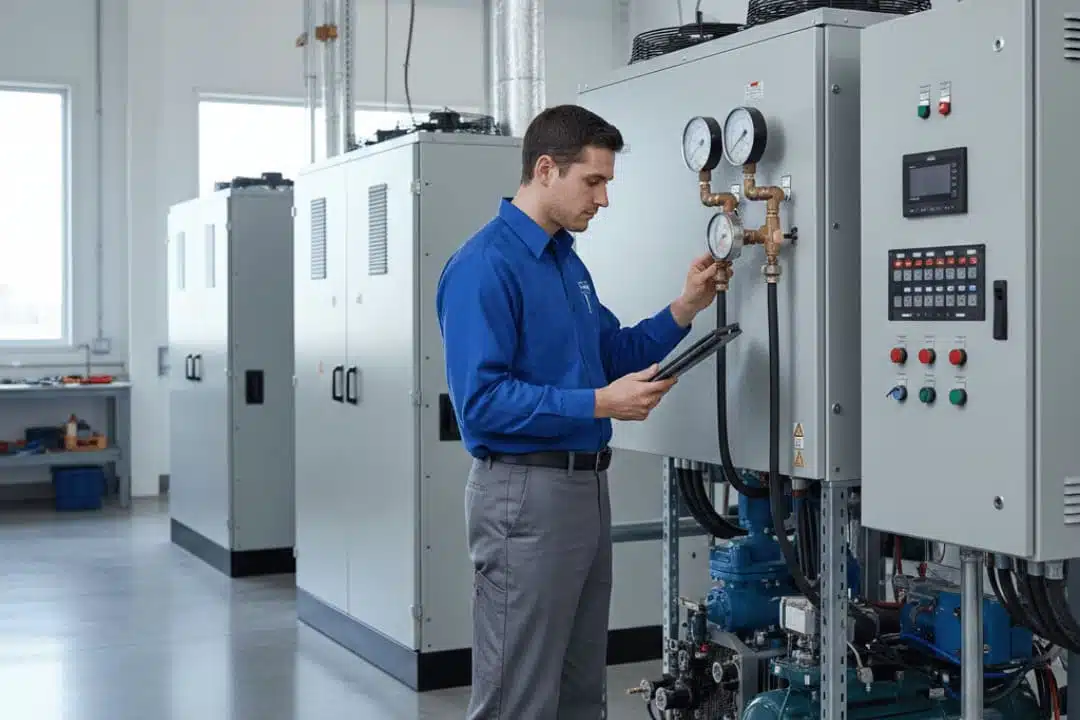
Regulatory expectations evolve. Older refrigeration systems may rely on refrigerants or components that are no longer preferred or supported under current EPA guidelines.
While replacement is not always immediately required, aging systems may demand:
- Additional compliance oversight
- Retrofit complexity
- Limited part availability
These factors increase long-term maintenance burden and planning uncertainty.
Downtime, Recovery Time, and Operational Confidence
Fixing a system does not instantly restore operational confidence. Facilities often experience extended recovery periods as workflows normalize and system performance is verified.
Repeated HVAC repair can lead to:
- Longer stabilization windows after service
- Conservative operational decisions during verification periods
- Reduced scheduling confidence
New installations resulting from HVAC replacement typically reset performance assumptions, allowing facilities to plan with greater clarity.
Planning for Growth and Future Use
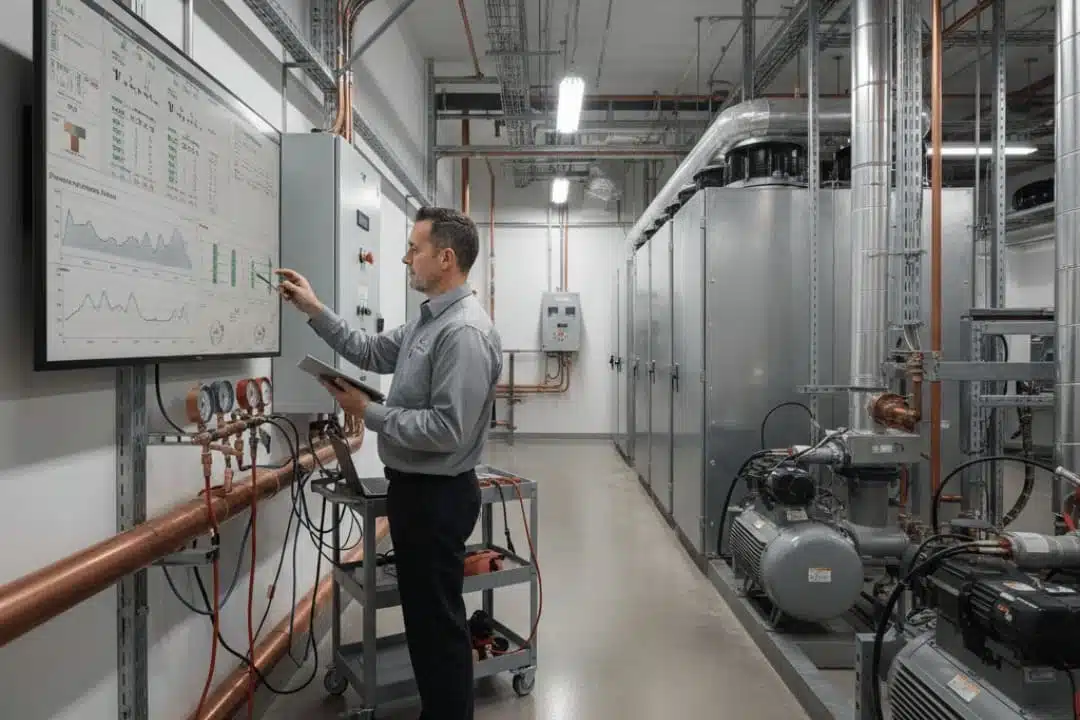
Facilities rarely remain static. Changes in occupancy, production volume, or storage requirements increase system demand.
Older systems maintained through repeated fixes may struggle to scale. Aligning repair vs replacement decisions with future use helps prevent infrastructure from becoming a growth constraint.
Balancing Short-Term Continuity With Long-Term Stability
Short-term continuity often favors repair. Long-term stability requires evaluating how repeated intervention affects operational confidence.
When uncertainty becomes routine, it quietly erodes efficiency, planning accuracy, and trust in system reliability. Strategic decisions prioritize sustained performance, not just keeping systems running.
FAQ: Repair vs Replacement for Commercial HVAC and Refrigeration
How old is “too old” for commercial HVAC systems?
Many systems begin entering higher-risk phases after 15 years, though usage intensity and maintenance history matter more than age alone.
Can frequent repairs still be the right choice?
Yes, if performance remains stable, recovery times are short, and operational risk is low.
Why is refrigeration different from comfort HVAC?
Temperature-sensitive systems carry tighter margins for error, making downtime risk more severe.
Does replacement always reduce costs?
Not immediately. Replacement often reduces long-term operational and energy-related costs rather than short-term expenses.
Making Confident Repair vs Replacement Decisions
Repair vs replacement decisions for aging HVAC and refrigeration systems involve more than fixing equipment. They require understanding performance trends, operational risk, compliance considerations, and how system reliability affects long-term facility planning.
Commercial facilities benefit from guidance that connects technical system behavior with real operational impact. Elite Refrigeration Service Inc., owned by Tom Ernst, brings over 40 years of experience supporting commercial HVAC and refrigeration environments with a focus on stability, compliance, and informed decision-making. Backed by extensive EPA, OSHA, manufacturer, and NYC safety certifications, Elite Refrigeration helps facilities evaluate system condition, risk exposure, and future needs with clarity.
To learn more about how Elite Refrigeration Service Inc. supports commercial facilities in making informed, reliability-focused HVAC and refrigeration decisions, explore their services and experience today.